Walker Street · Howard Street

The rooms.

Two buildings. One table. Brick, light, and room to stay awhile.

Scroll
Inside the rooms

Not offices. Rooms.

Waterlab is built around rooms that can hold real work: a long table, a reading room, a parlor, a storefront, a quiet desk. Places where the conversation changes the project.
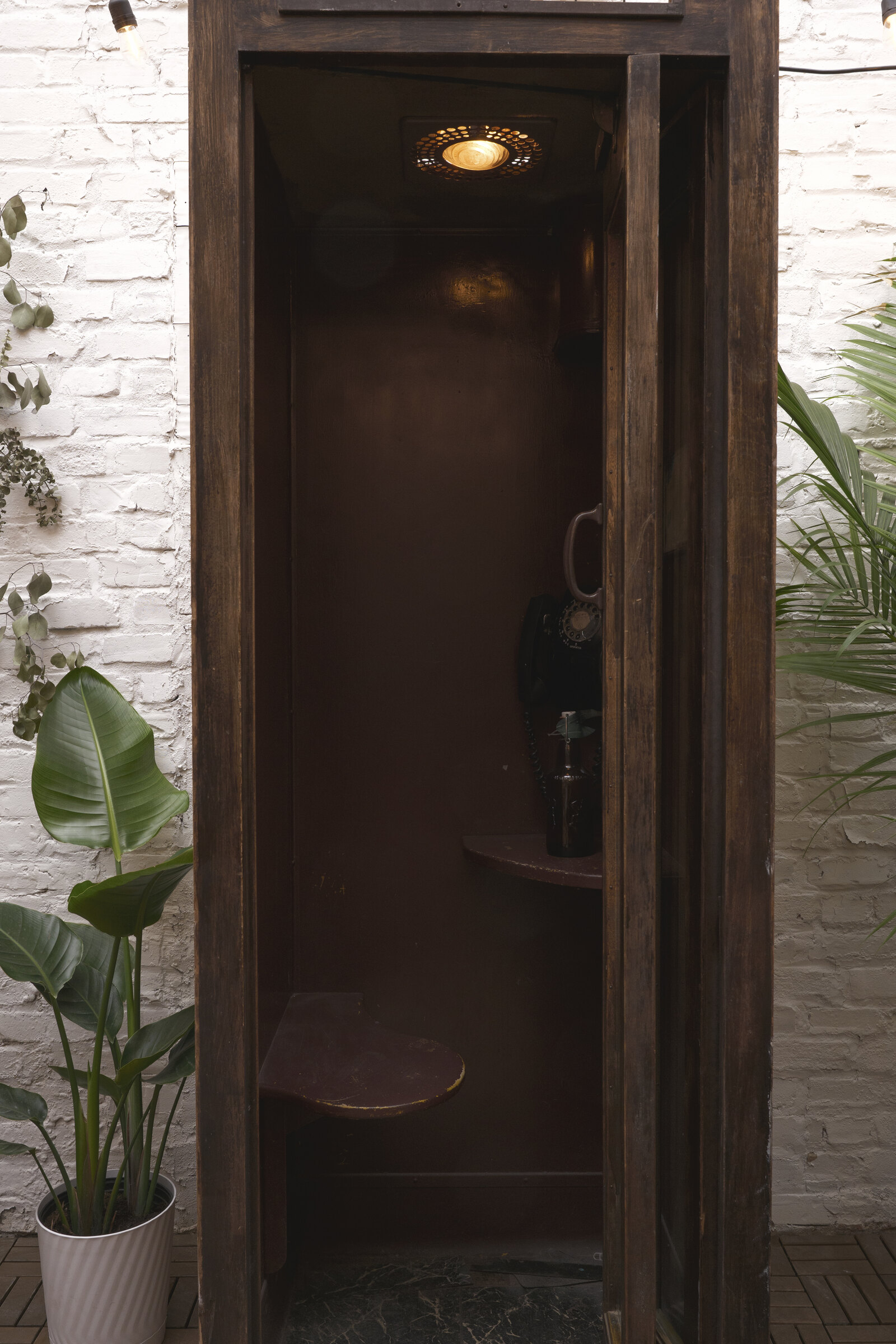
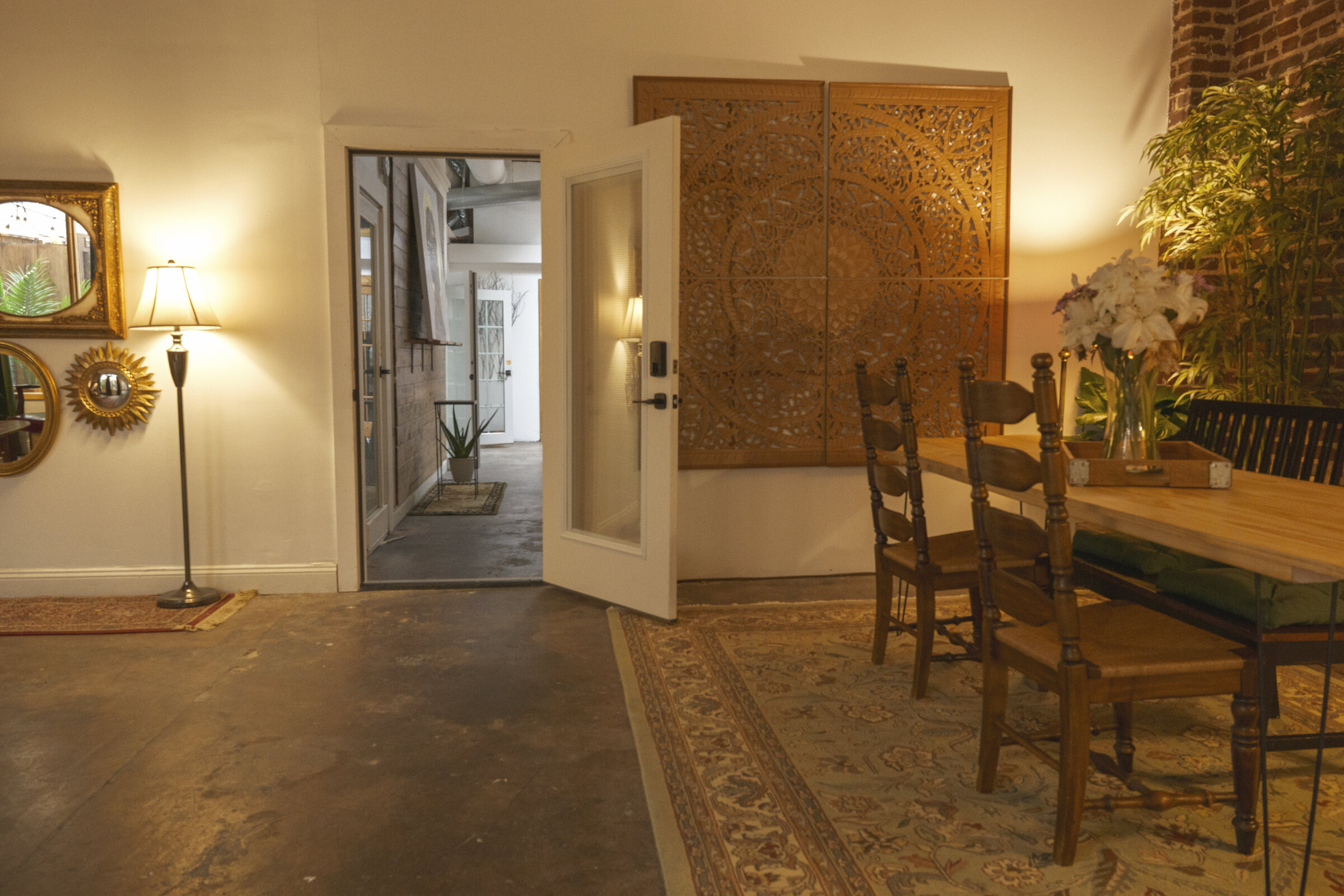
A doorway flanked by plants at Waterlab
Entry
Long room with archway and dining table
Long room
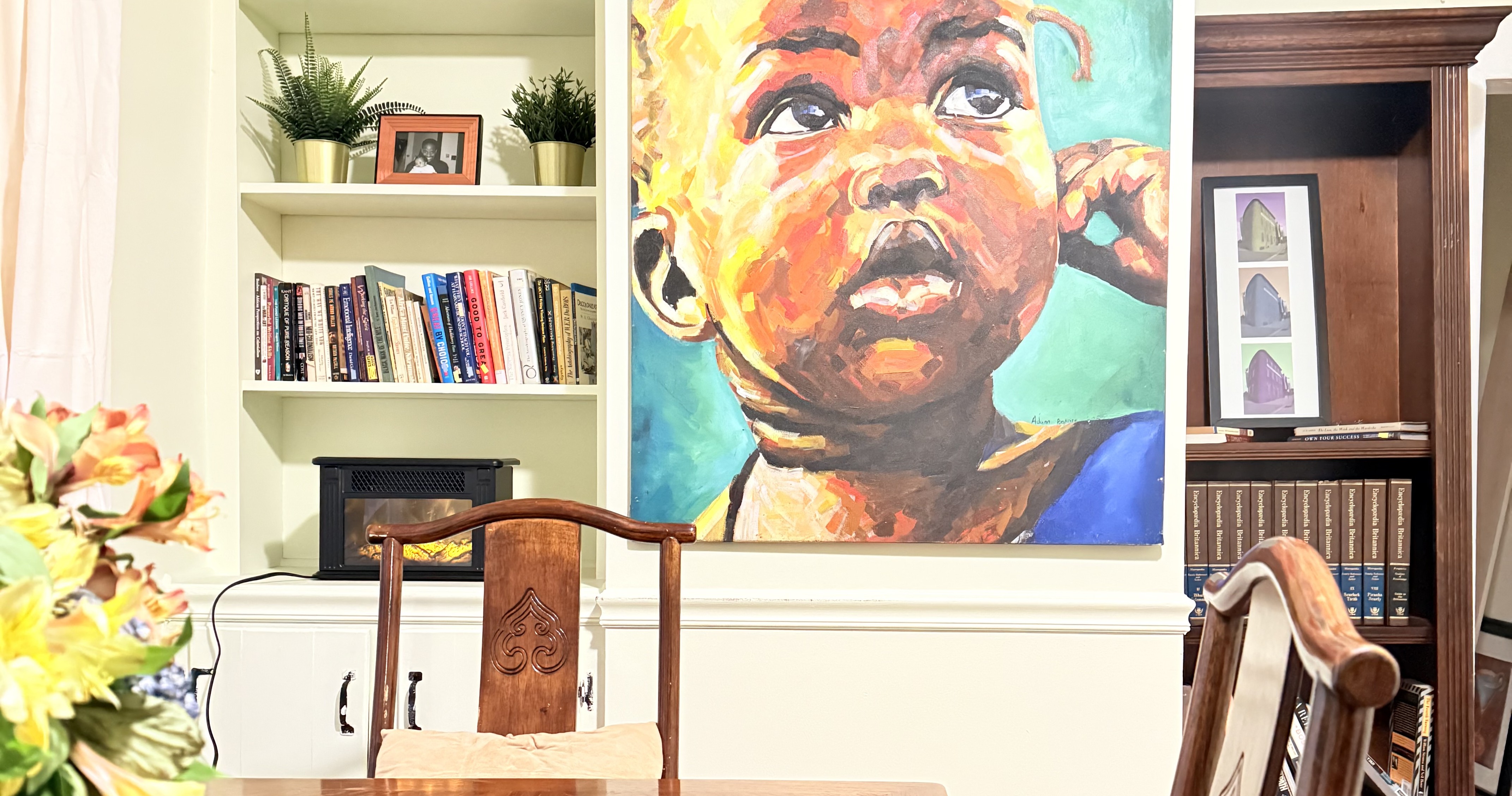
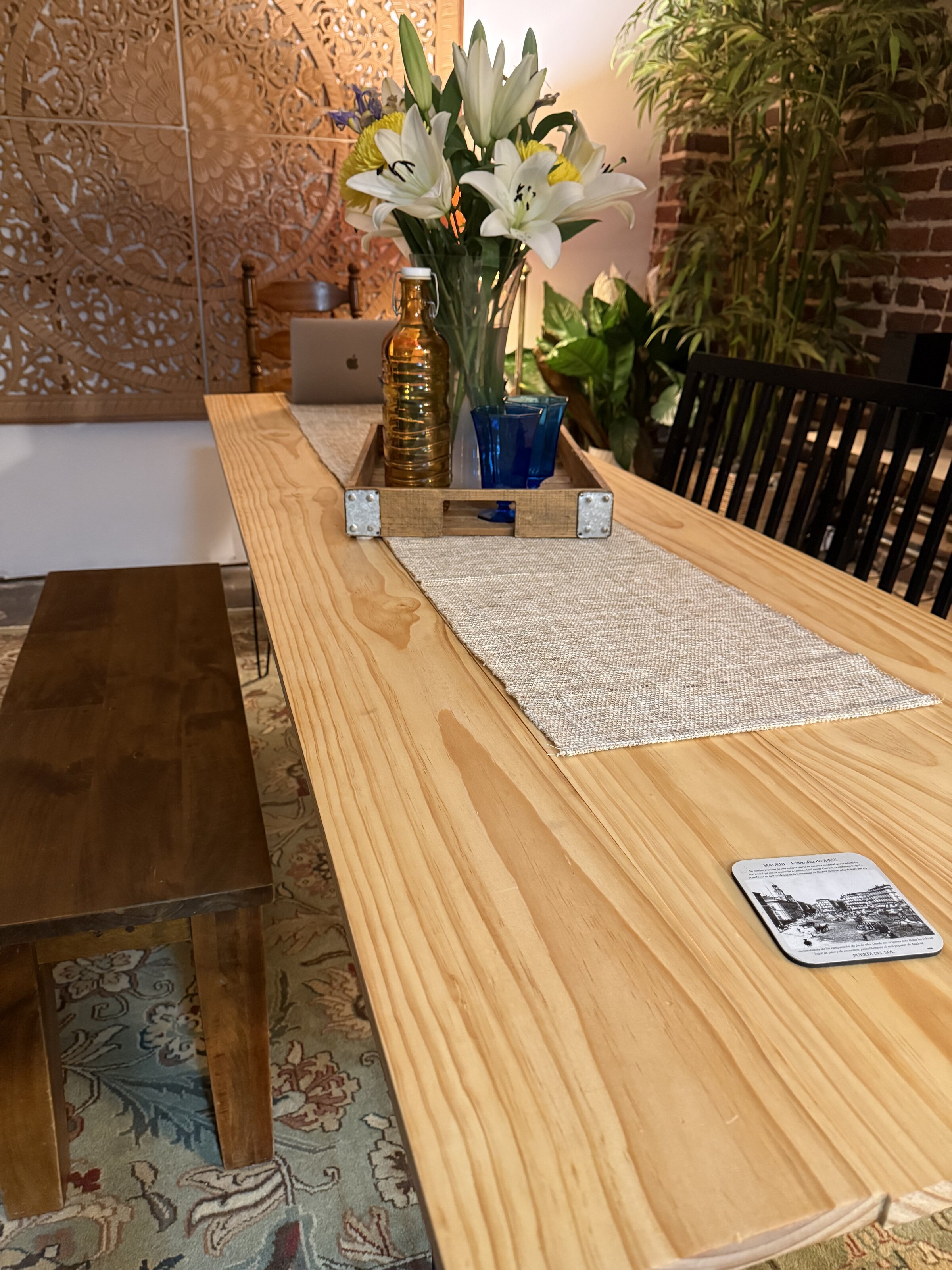
The long table at 817 N Howard Street, beneath the wall portrait
Long table · Howard St
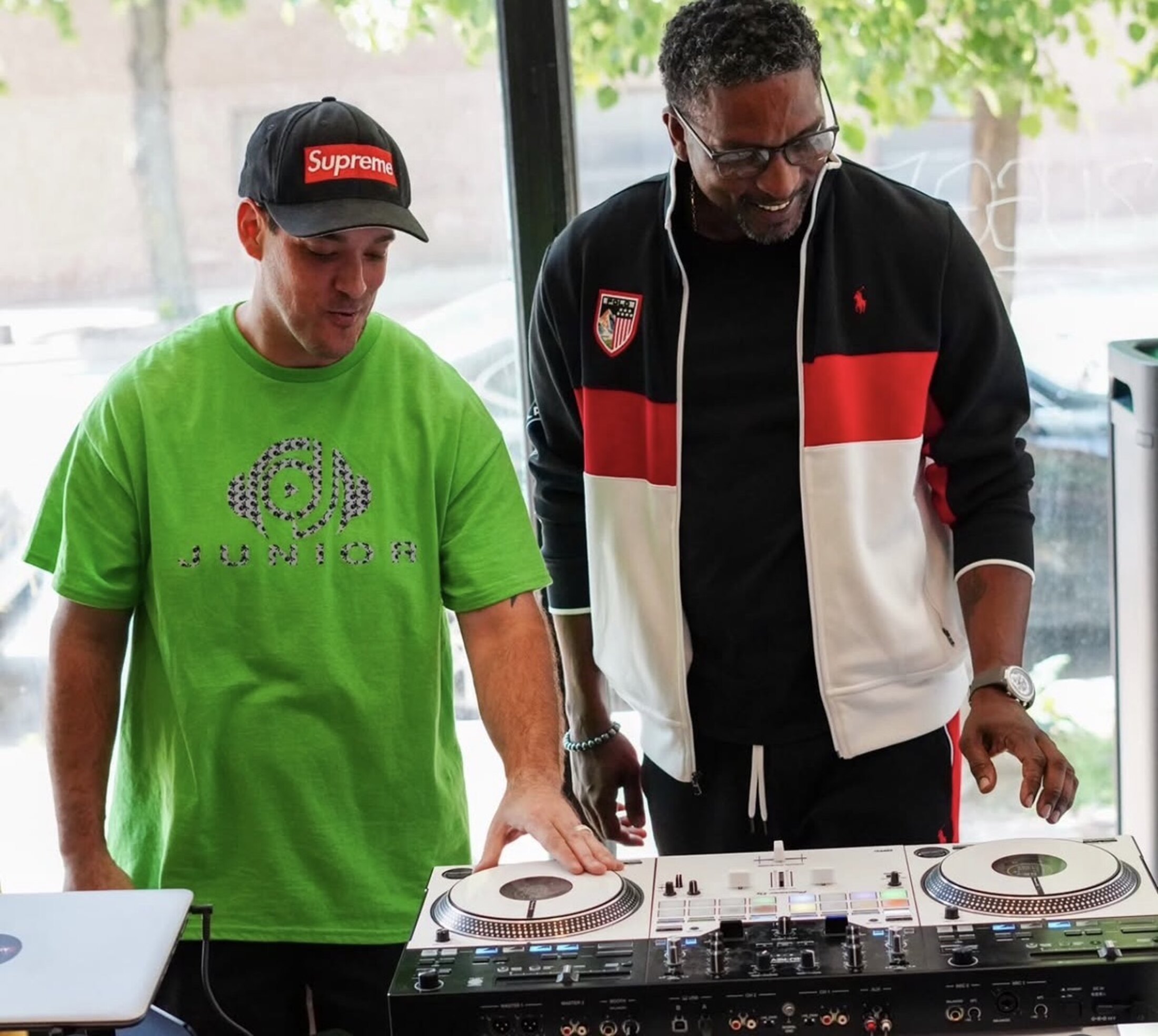
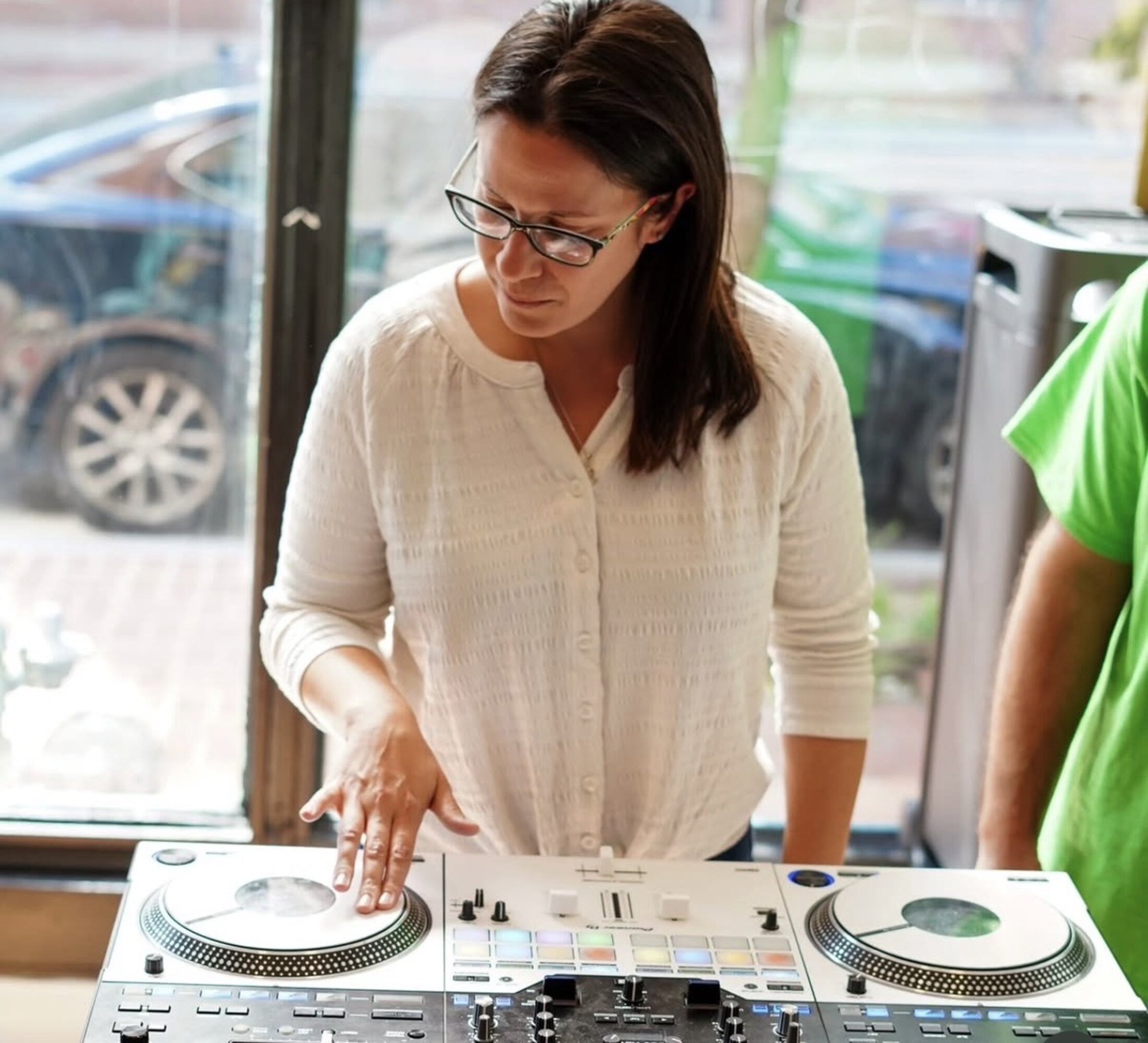
A DJ session at Howard Street
DJ duo · Howard St
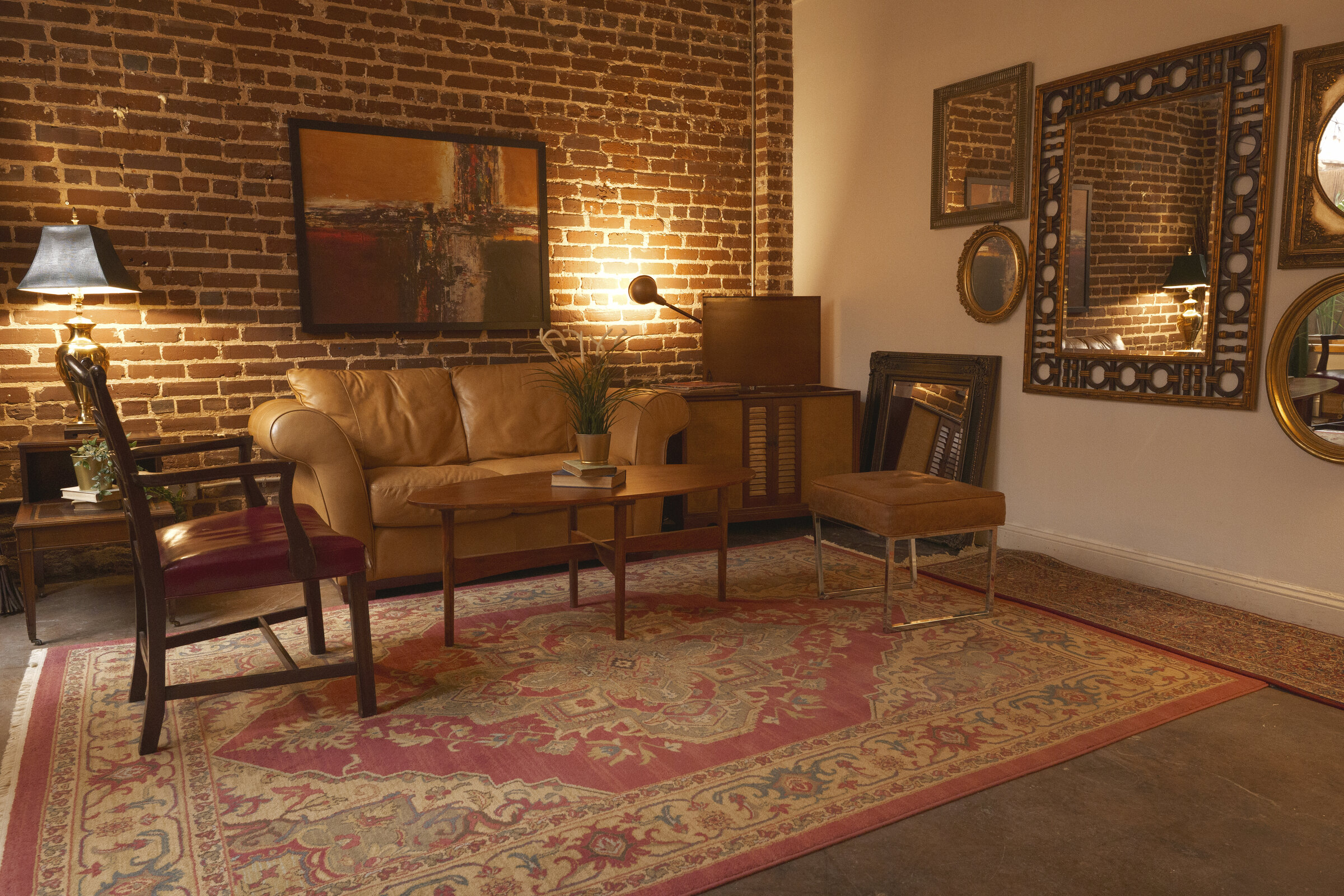
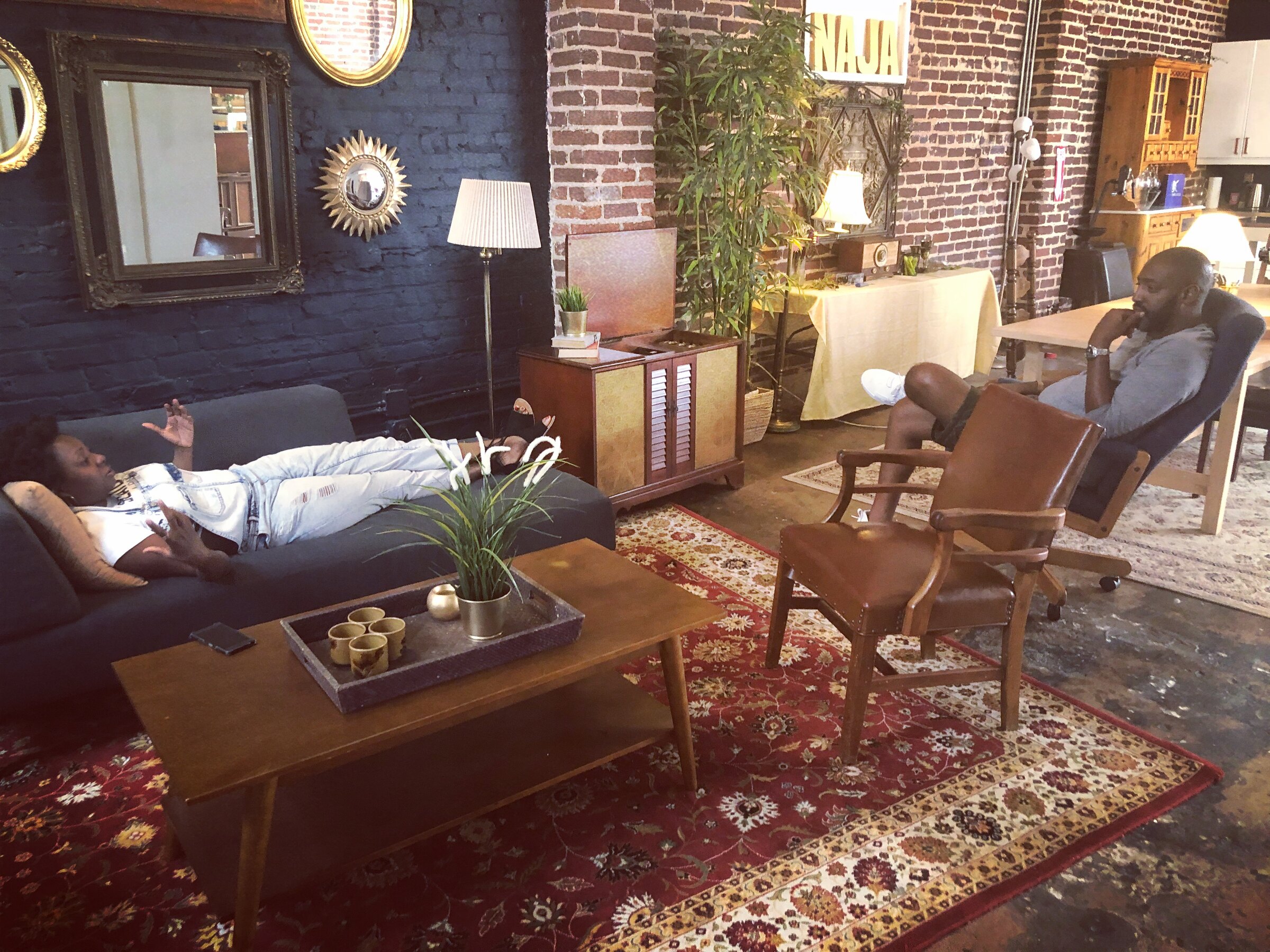
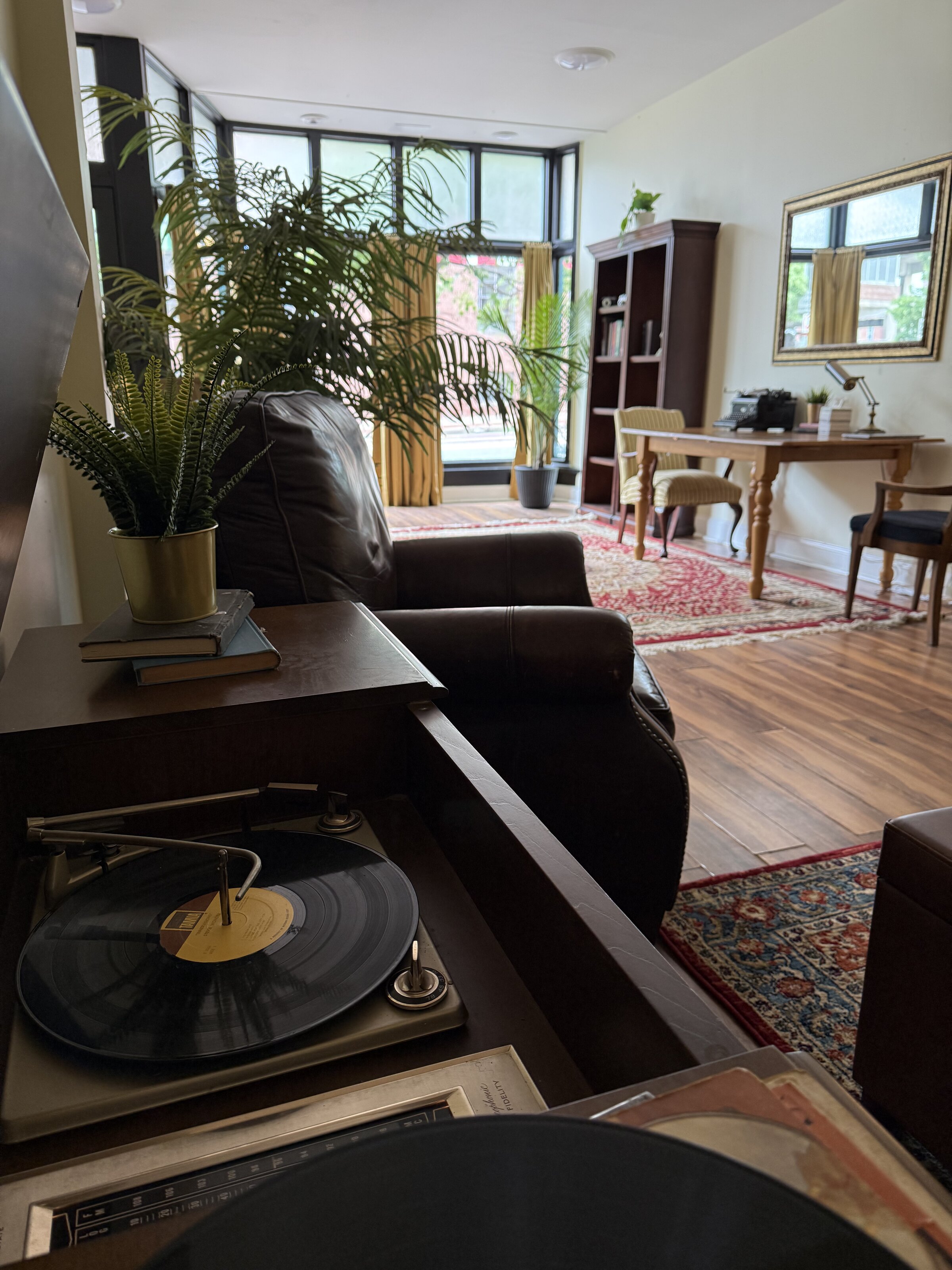
Reading room with brick, leather, and lamps
Reading room
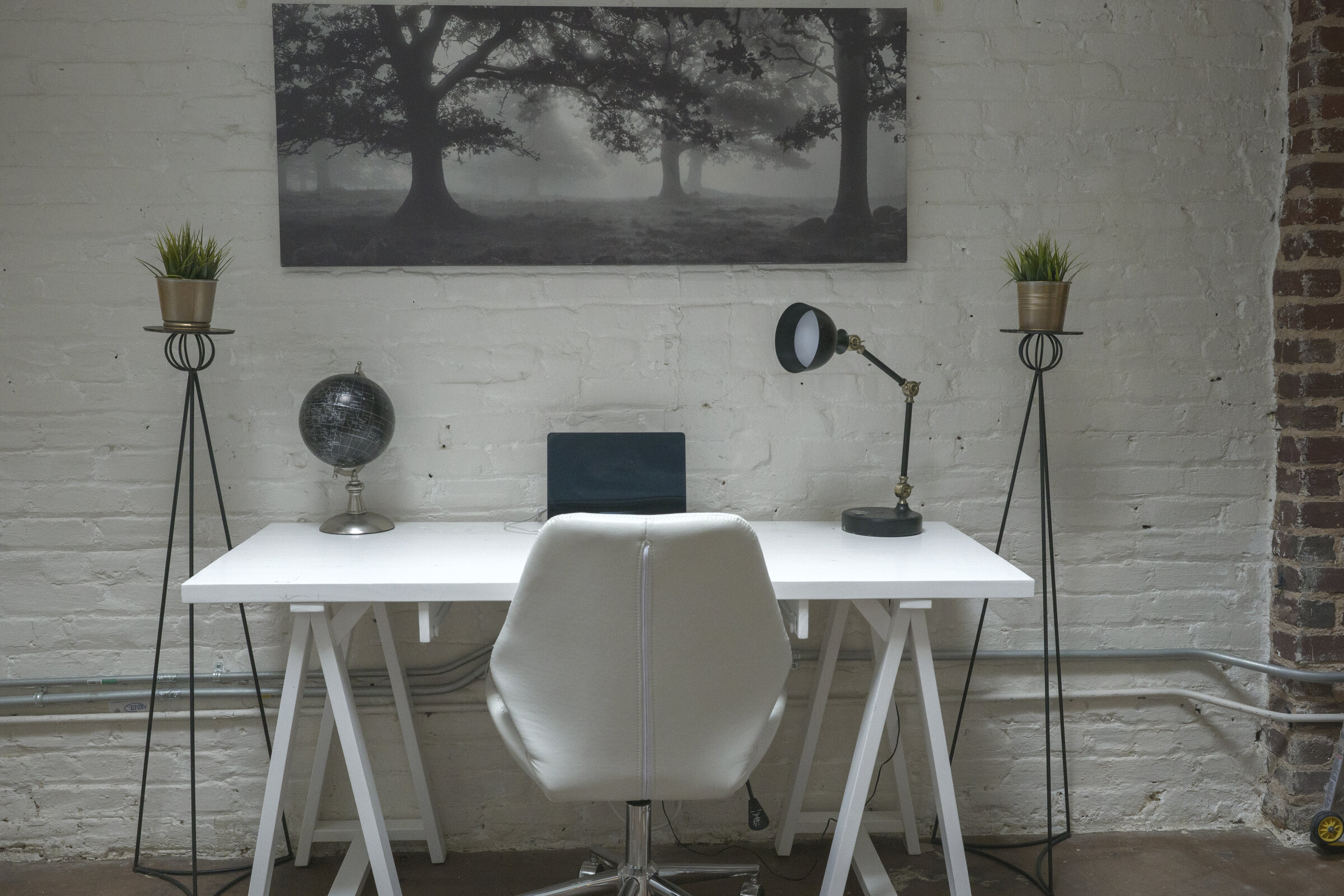
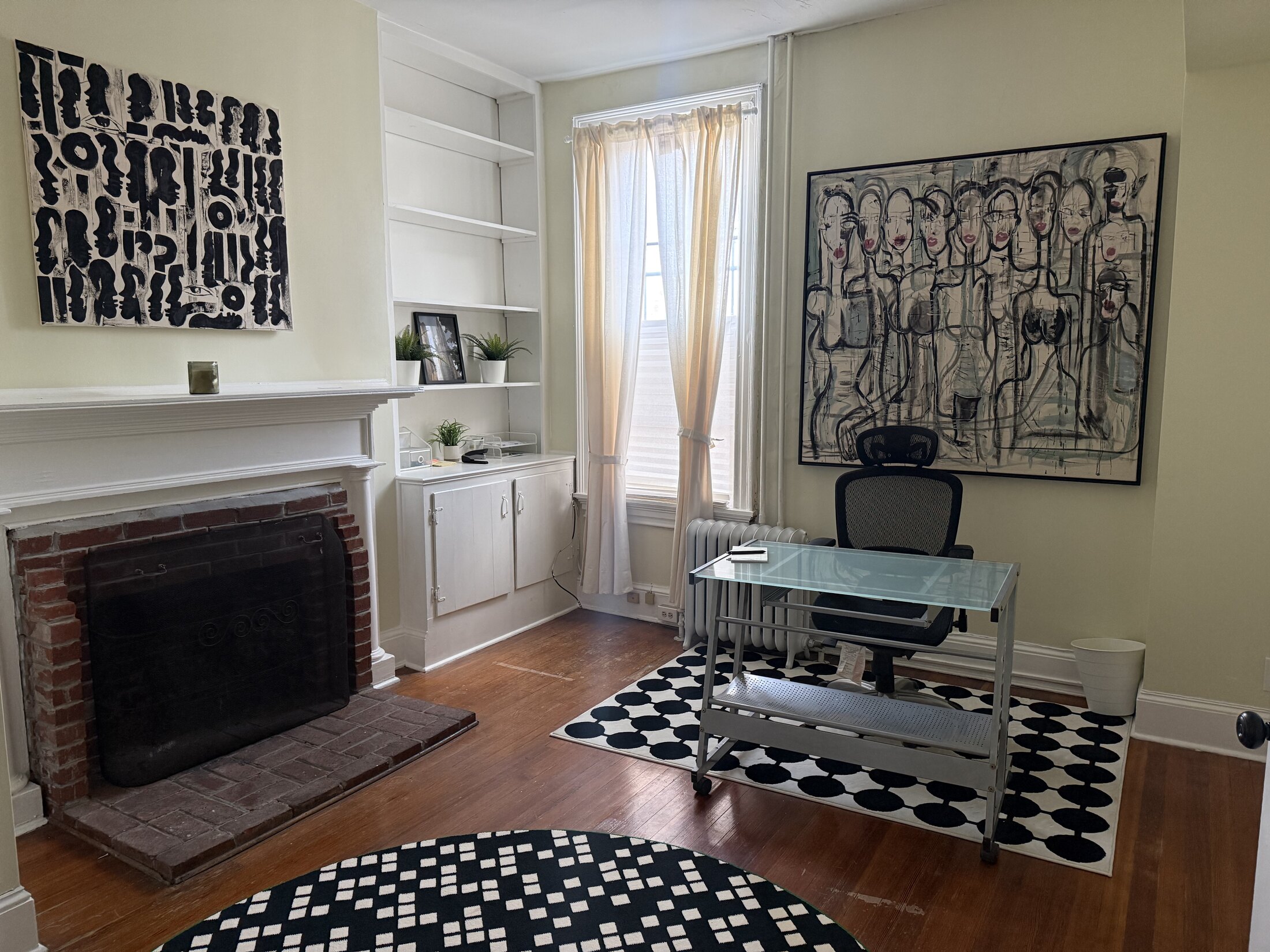
A clean workstation with twin lamps
Work desk
The people in it

People in the room.

Cultural founders don't need another network. They need a few rooms where the people in them already understand what they're trying to build, and care whether it lands.

Waterlab is one of those rooms. You'll know the people across the table. They'll know you.

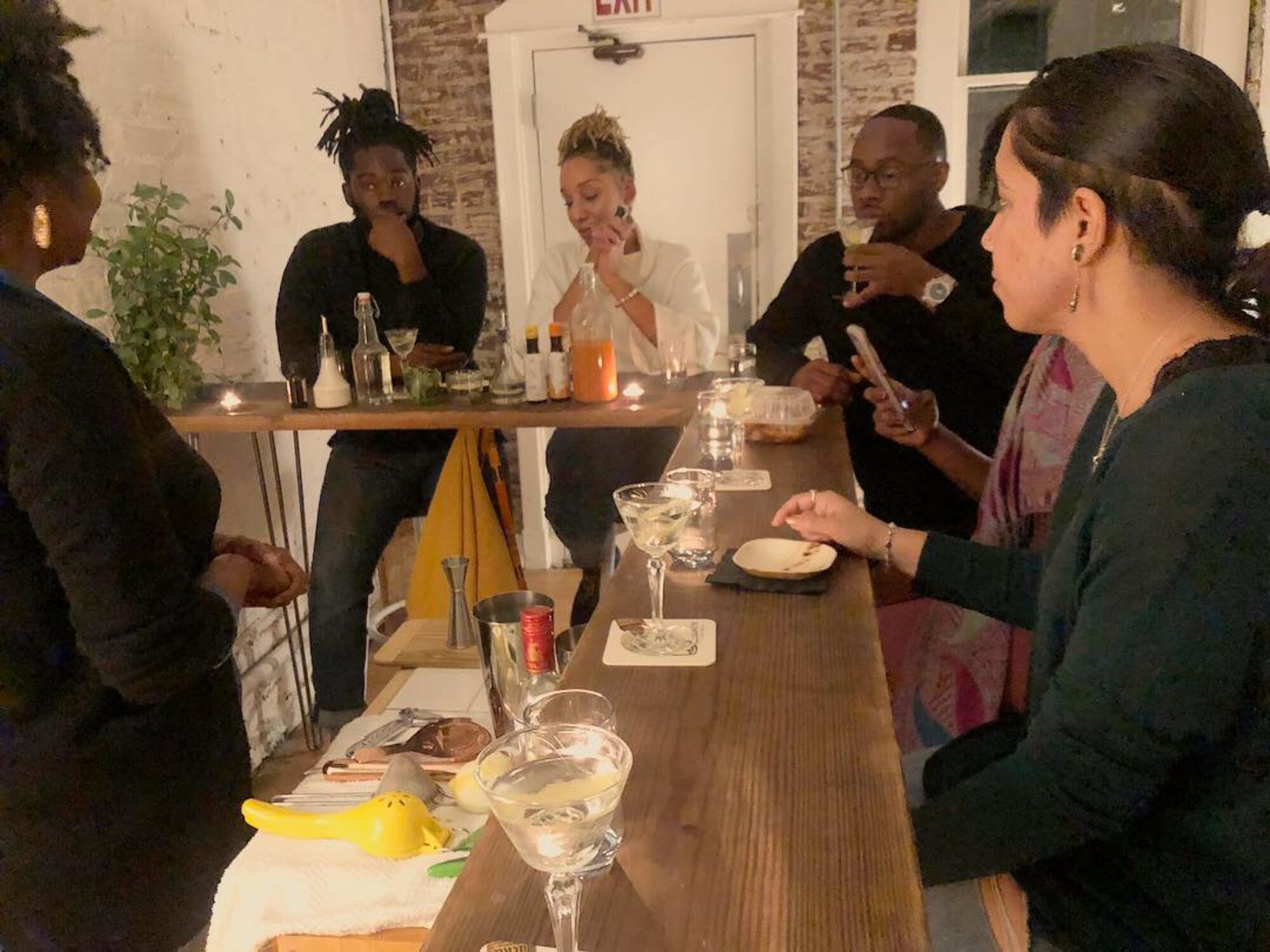
A tasting at the bar at Waterlab
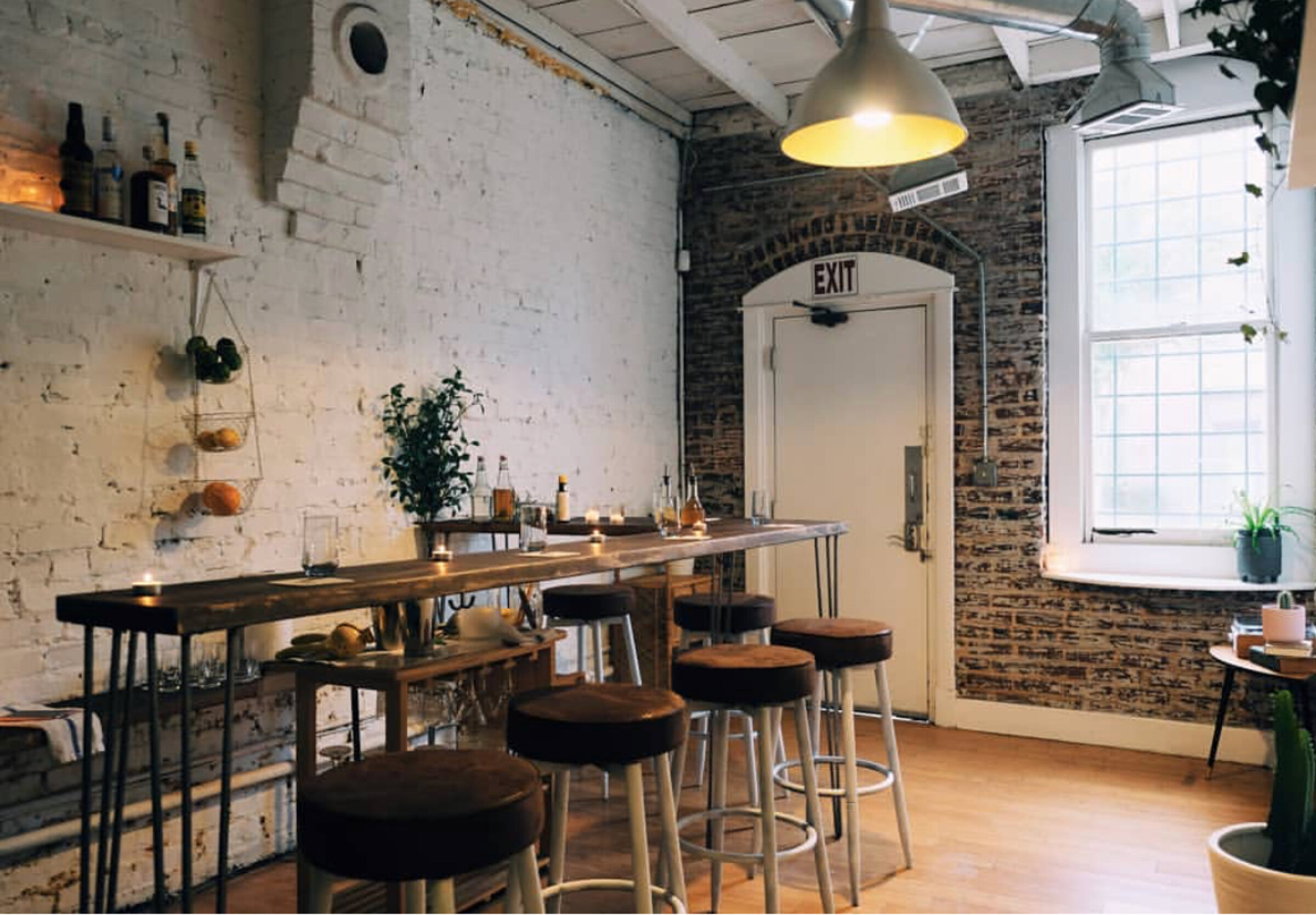
Tasting at the bar
Atlanta

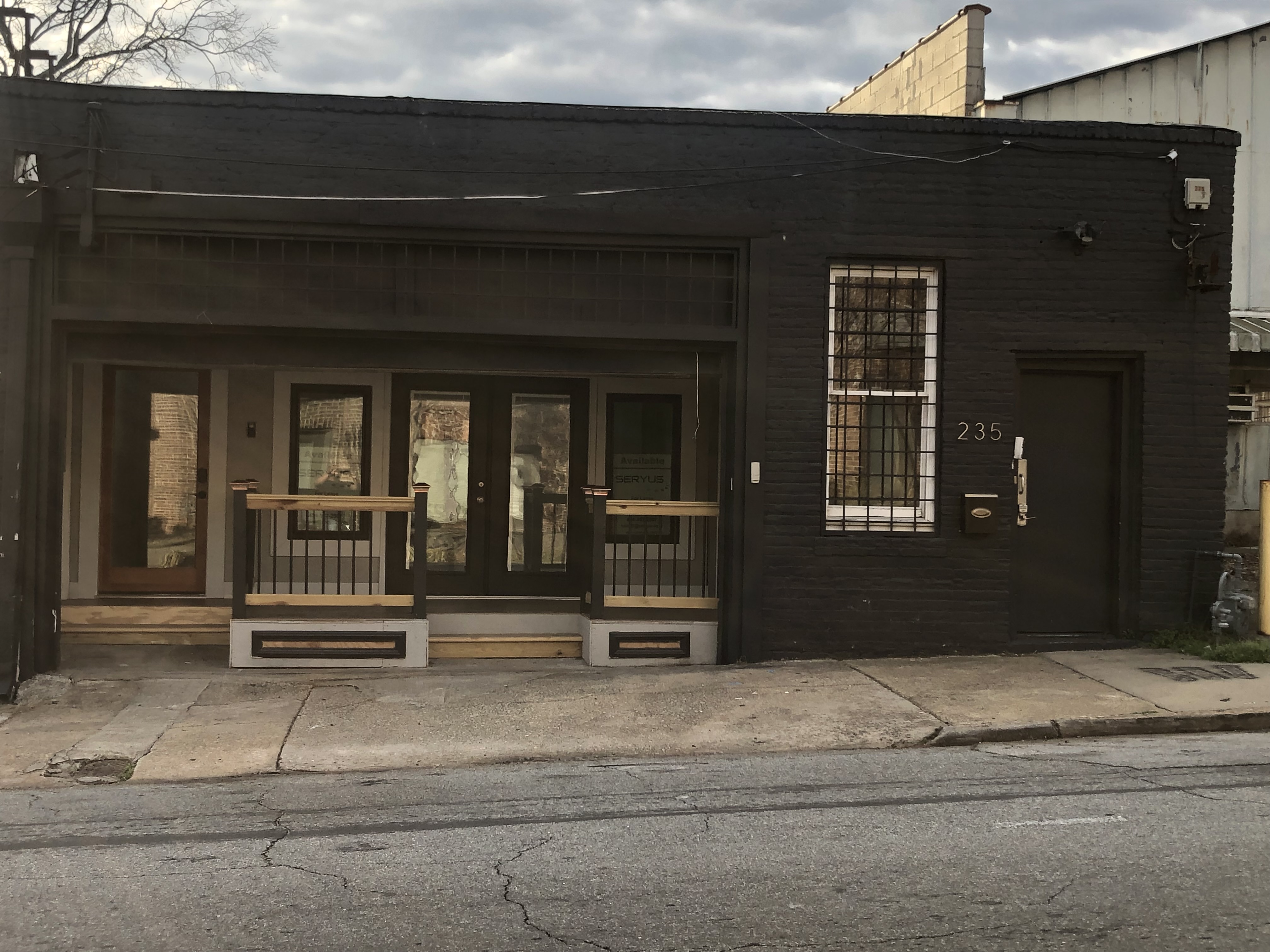
235 Walker Street.

The first room sits in Castleberry Hill, where Waterlab learned its shape over a decade: long-table dinners, venture work, readings, studio nights, and the slow trust that forms when founders keep returning.

Walker is the original proof: a building that began as space for creative professionals and became a place where cultural ventures got clarity and amplified their voice.

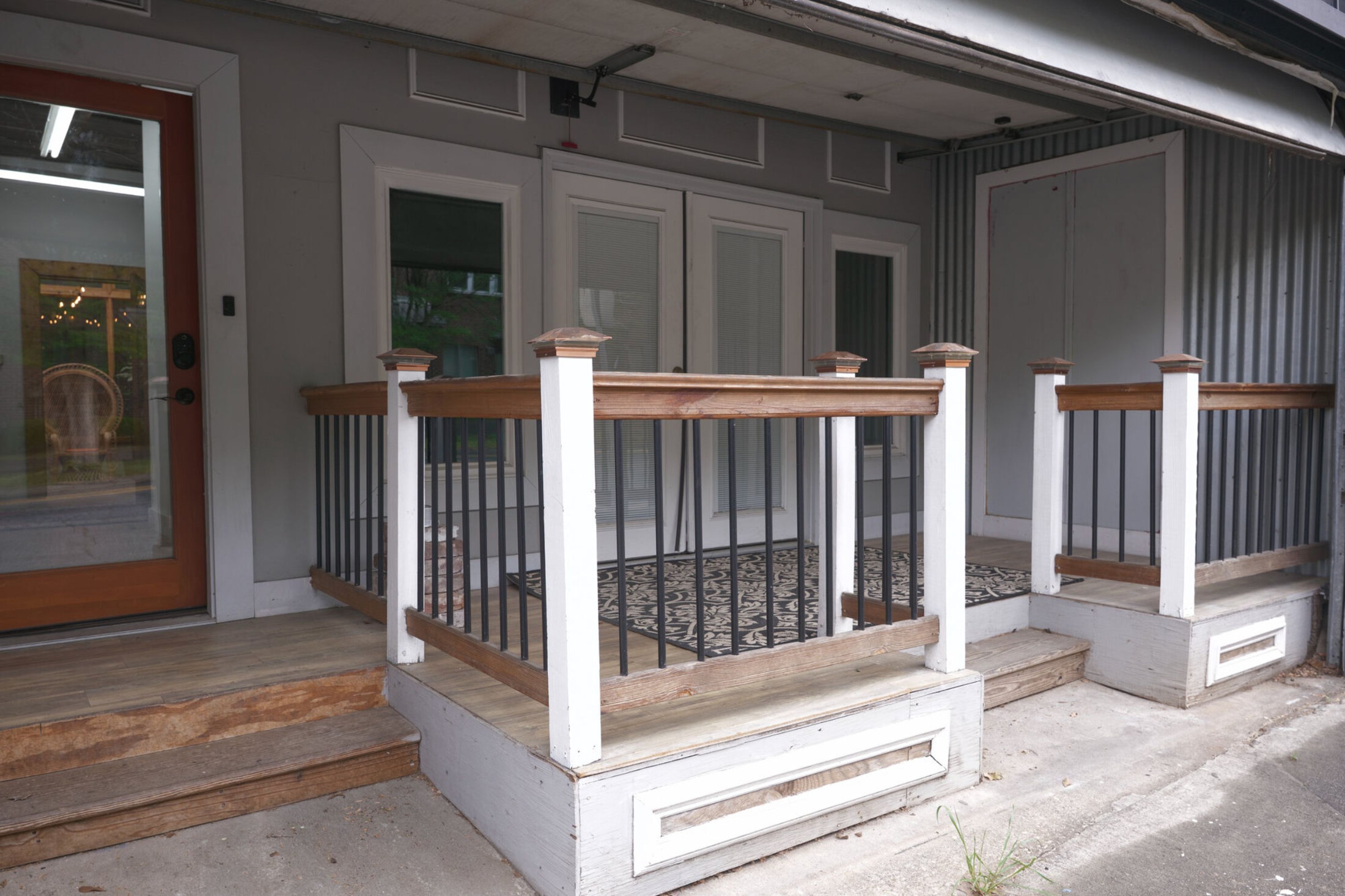
235 Walker Street, Atlanta — the full storefront exterior
Walker Street exterior
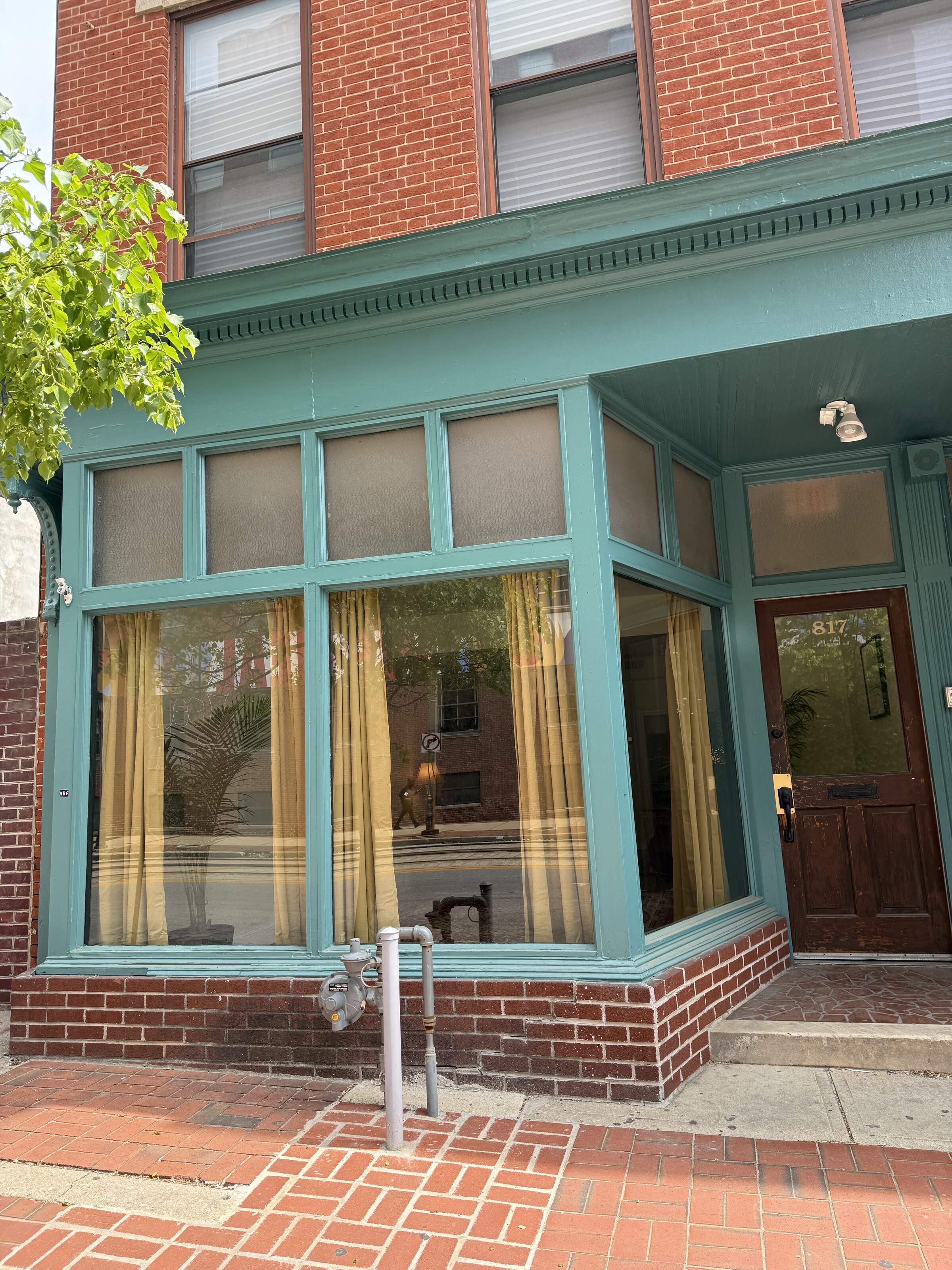
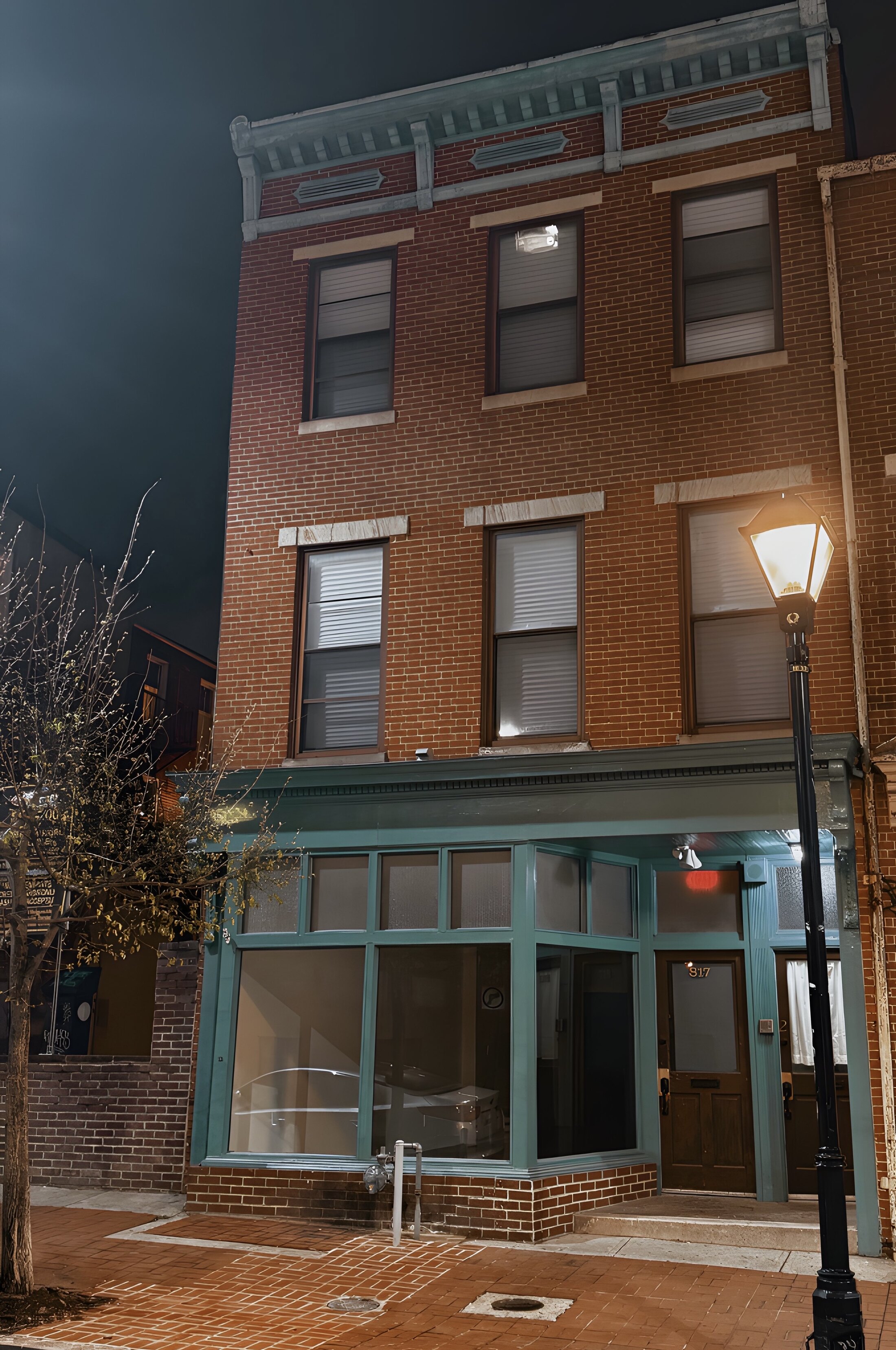
817 N Howard Street, Baltimore — teal storefront
Howard Street storefront
Baltimore

817 N Howard Street.

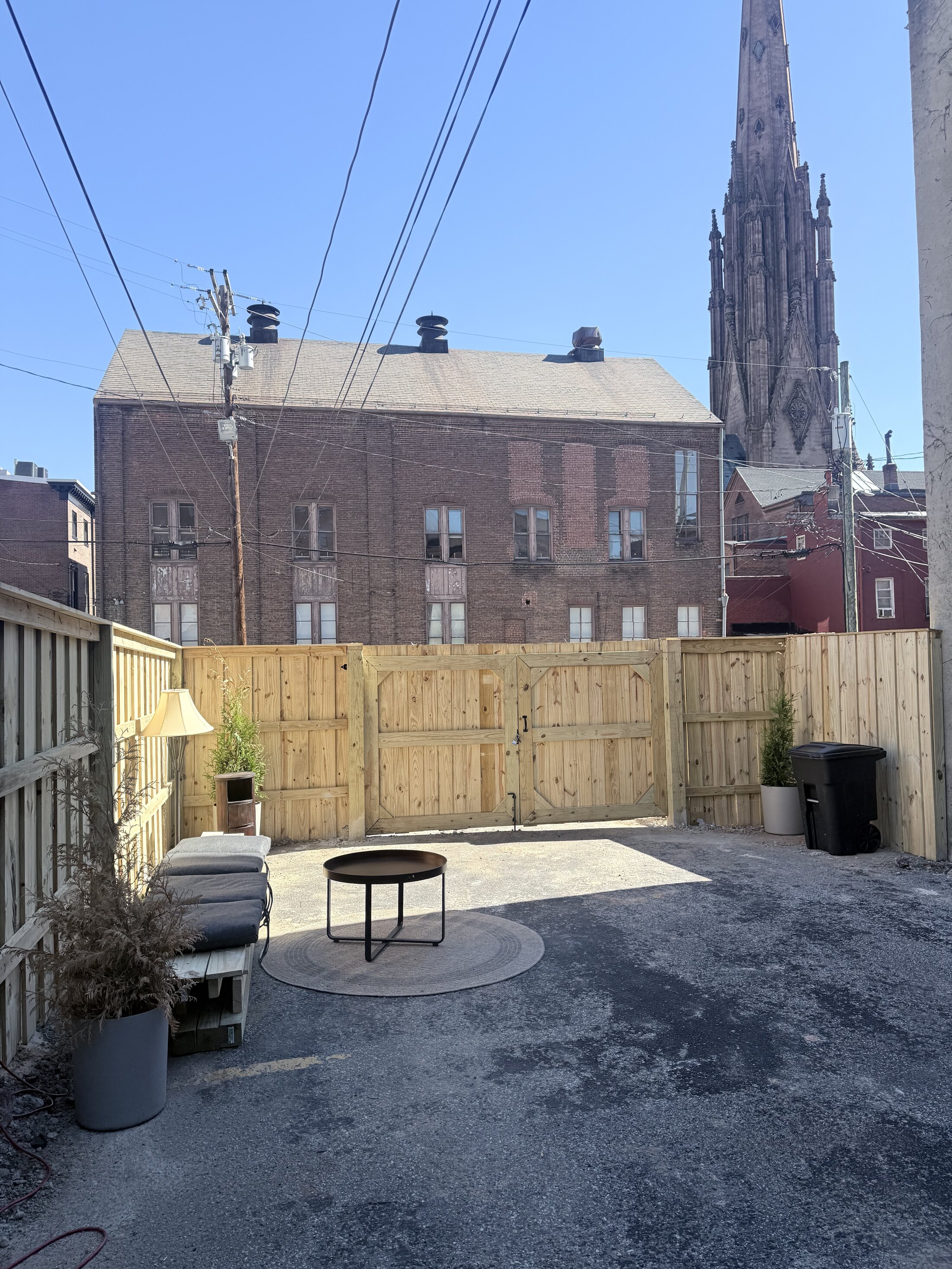
Mount Vernon, on Baltimore's old commercial spine. The second room opens onto the street. Not a satellite — a home.

Pick one city. Stay awhile.

Come walk the rooms.

Most founders understand Waterlab faster in person. Start with a visit, then decide which door fits.

Visit Waterlab